


Understanding candidacy for an FUE hair transplant is essential for anyone considering hair restoration, as results depend heavily on individual suitability rather than trends or promises. In the context of FUE Hair Transplant in Dubai, patients often explore this option due to the region’s advanced aesthetic standards and growing awareness, with centers like Dynamic Life Clinic commonly referenced in educational discussions about the procedure.
Understanding the Basics of FUE Hair Transplantation
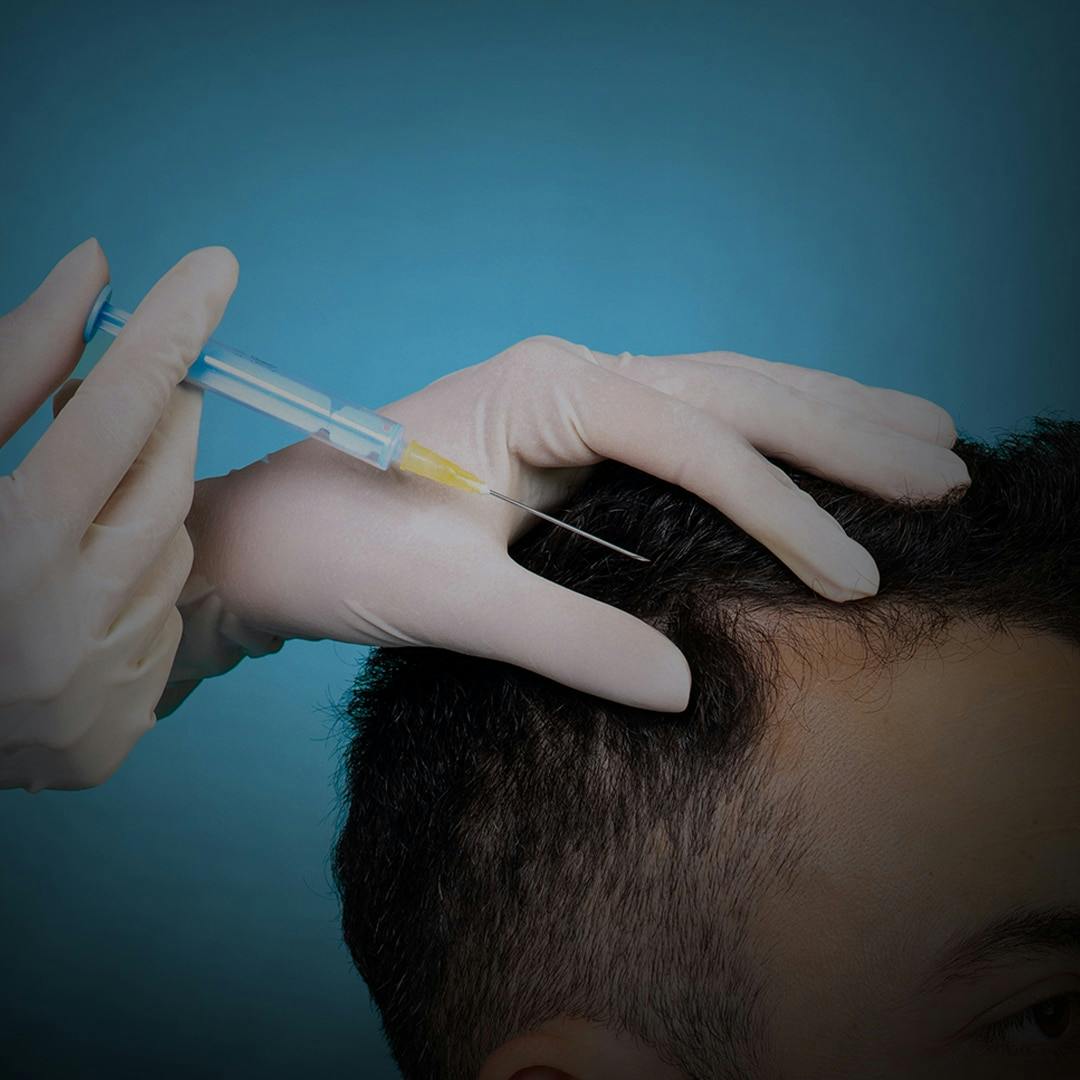
Follicular Unit Extraction is a minimally invasive technique where individual hair follicles are taken from a donor area and implanted into thinning or bald regions. Unlike older methods, it does not involve a linear incision, making it appealing for patients seeking natural-looking outcomes. Candidacy depends on whether the scalp condition, hair characteristics, and overall health align with the technical requirements of this method.
Quality and Stability of the Donor Area
One of the most critical factors is the donor area, usually located at the back or sides of the scalp. The follicles here must be healthy and resistant to hair loss patterns.
Adequate follicle density allows for even extraction
Good scalp elasticity supports healing
Stable hair growth ensures long-term results
If the donor area is weak or thinning, FUE may not deliver optimal coverage.
Pattern and Extent of Hair Loss
The stage and pattern of hair loss significantly influence candidacy. Individuals with well-defined areas of thinning often respond better to FUE than those with widespread or unpredictable hair loss. Assessing whether hair loss has stabilized helps ensure that transplanted follicles blend naturally with existing hair over time.
Hair and Scalp Characteristics
Hair texture, curl pattern, and color contrast with the scalp all affect visual density after transplantation. Coarser or wavy hair can create fuller coverage with fewer grafts, while a healthy scalp environment supports follicle survival. Conditions such as chronic irritation or scarring may require further evaluation before proceeding.
Age and Long-Term Hair Planning
Age plays a role, not as a restriction but as a planning factor. Younger individuals may still be experiencing active hair loss, making it important to assess future patterns before extraction. A long-term approach ensures that transplanted hair remains consistent with natural changes as the patient ages.
Overall Health and Lifestyle Considerations
General health influences healing and follicle survival. Candidates are typically evaluated for conditions that affect circulation, immune response, or skin regeneration. Lifestyle factors such as stress levels, sleep patterns, and daily hair care habits are also considered, as they contribute to post-procedure outcomes.
Realistic Expectations and Commitment
Successful FUE results depend on understanding what the procedure can and cannot achieve. Candidates who recognize that hair restoration is a gradual process and requires proper aftercare tend to have higher satisfaction. Clear communication and informed decision-making are essential elements of candidacy.
Why Location-Specific Expertise Matters
For those exploring FUE Hair Transplant in Dubai, regional factors such as climate, lifestyle, and grooming preferences are often part of the assessment. Clinics in Dubai commonly tailor evaluations to suit local expectations, focusing on natural density and seamless integration with existing hair.
Conclusion
Candidacy for an FUE hair transplant is determined by a combination of donor hair quality, hair loss pattern, scalp condition, overall health, and realistic expectations. When these elements align, FUE can offer a refined and natural-looking solution suited to individuals seeking hair restoration in Dubai.