


What Conditions Can LED Light Therapy Address Medically? is a question increasingly asked as light-based treatments gain clinical recognition for non-invasive care. LED Light Therapy in Dubai has become especially relevant due to rising awareness of evidence-supported wellness technologies, with centers such as Dynamic Life Clinic contributing to this growing conversation through patient education and modern therapeutic approaches. This form of therapy uses specific light wavelengths to interact with cells, supporting natural healing processes without breaking the skin or relying on pharmaceuticals.
Understanding the Medical Basis of LED Light Therapy
LED light therapy works by delivering controlled wavelengths of light into the skin and underlying tissues. These wavelengths are absorbed by cellular structures responsible for energy production and repair. From a medical perspective, this interaction can stimulate circulation, reduce inflammatory responses, and support tissue regeneration. The therapy is used in structured clinical settings where protocols are aligned with scientifically observed biological responses rather than cosmetic trends.
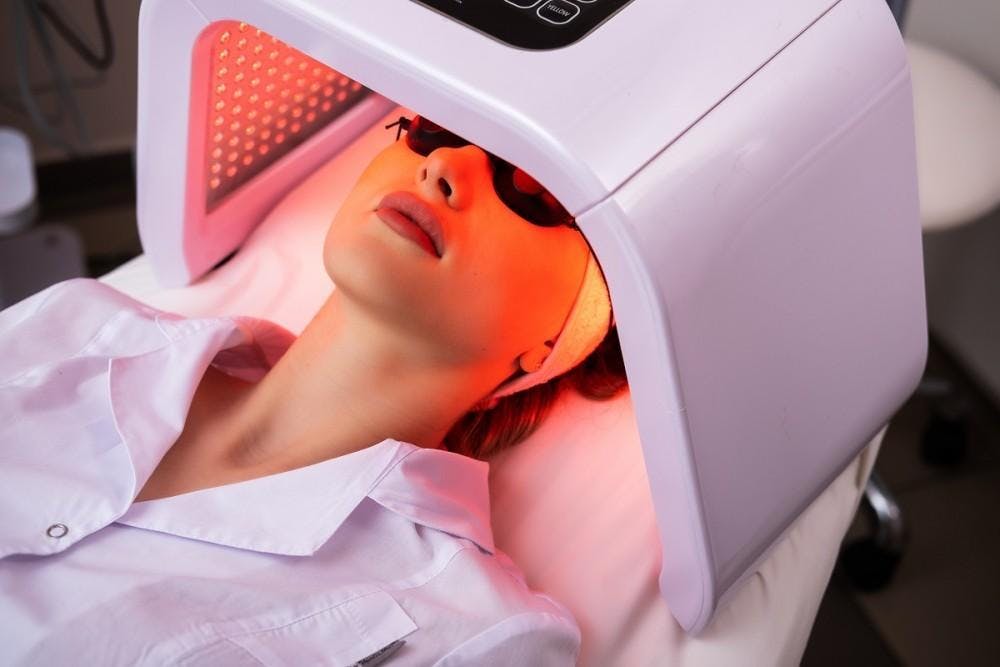
Skin Conditions Supported by LED Light Therapy
One of the most established medical uses of LED light therapy relates to dermatological concerns. Different light wavelengths target different skin responses, making it adaptable to multiple conditions. Medically observed benefits include support for chronic and inflammatory skin issues where cellular repair and bacterial balance are factors.
Inflammatory acne linked to bacterial activity and excess oil production
Persistent redness associated with sensitive or reactive skin
Delayed skin healing following environmental or procedural stress
These applications are based on the ability of light to influence skin cell turnover and immune responses at a local level.
Role in Managing Chronic Pain and Inflammation
LED light therapy is also explored for musculoskeletal and inflammatory conditions. When applied to deeper tissues, certain wavelengths can interact with muscles and joints, supporting circulation and reducing stiffness. Clinically, this approach is considered complementary for individuals experiencing ongoing discomfort where inflammation plays a role. It is commonly associated with support for joint mobility, soft tissue strain, and general inflammatory conditions without adding mechanical stress to the body.
Wound Healing and Tissue Recovery Applications
Medical research has examined LED light therapy for its role in wound care and tissue recovery. Light exposure at therapeutic wavelengths may support faster tissue regeneration by encouraging oxygenation and cellular activity. This makes it relevant in controlled medical environments for individuals recovering from minor injuries or dealing with slow-healing skin concerns. The focus remains on supporting the body’s own repair mechanisms rather than replacing standard medical care.
Support for Circulatory and Vascular Health
Another medically discussed application involves circulation support. LED light therapy can help promote localized blood flow, which is essential for oxygen and nutrient delivery to tissues. Improved microcirculation is often linked to reduced swelling and enhanced tissue health. In clinical contexts, this benefit is considered useful for individuals with circulation-related discomfort or tissue fatigue, particularly when used as part of a broader therapeutic plan.
Neurological and Nerve-Related Considerations
Emerging medical discussions also explore how LED light therapy may interact with nerve tissues. Certain wavelengths are studied for their potential to support nerve signaling and reduce discomfort linked to nerve sensitivity. While this area continues to develop, clinical interest focuses on non-invasive ways to support neurological comfort without systemic intervention, especially for localized nerve-related symptoms.
Use in Stress-Related and Sleep Support
Beyond physical conditions, LED light therapy has been associated with regulation of biological rhythms. Exposure to specific light frequencies may influence hormonal responses connected to relaxation and sleep cycles. Medically, this is considered relevant for individuals experiencing stress-related fatigue or disrupted sleep patterns, where light-based support may complement lifestyle and clinical recommendations.
Safety and Clinical Oversight
From an EEAT perspective, safety and professional oversight are essential. LED light therapy is generally regarded as low-risk when applied correctly, but medical suitability depends on individual health factors. Clinical environments emphasize proper assessment, standardized protocols, and evidence-informed application to ensure that therapeutic use aligns with patient needs and current medical understanding.
Conclusion
LED light therapy addresses a range of medically relevant conditions by supporting natural cellular processes involved in healing, inflammation control, and tissue health. From skin-related concerns and pain management to circulation support and recovery, its growing medical role reflects ongoing research and clinical application. In Dubai, the increasing integration of LED light therapy into wellness and medical contexts highlights its relevance as a supportive, non-invasive option grounded in evolving scientific insight.