


Understanding what are the primary medical reasons for needing braces is essential for anyone experiencing dental or jaw-related concerns that go beyond appearance. In Dubai, orthodontic care is often recommended to address functional oral health issues, and many people explore options like Braces in Dubai to improve long-term dental stability and comfort. Clinics such as Dynamic Life Clinic are frequently mentioned in local discussions for orthodontic awareness, as proper alignment plays a critical role in overall oral health.
Misaligned Teeth (Malocclusion)
Malocclusion refers to improper alignment between the upper and lower teeth. This condition can cause difficulty when chewing, speaking, or even closing the mouth properly. Over time, misaligned teeth may lead to uneven tooth wear, increased sensitivity, and jaw strain. Braces help guide teeth into healthier positions, supporting balanced bite function and reducing stress on oral structures.
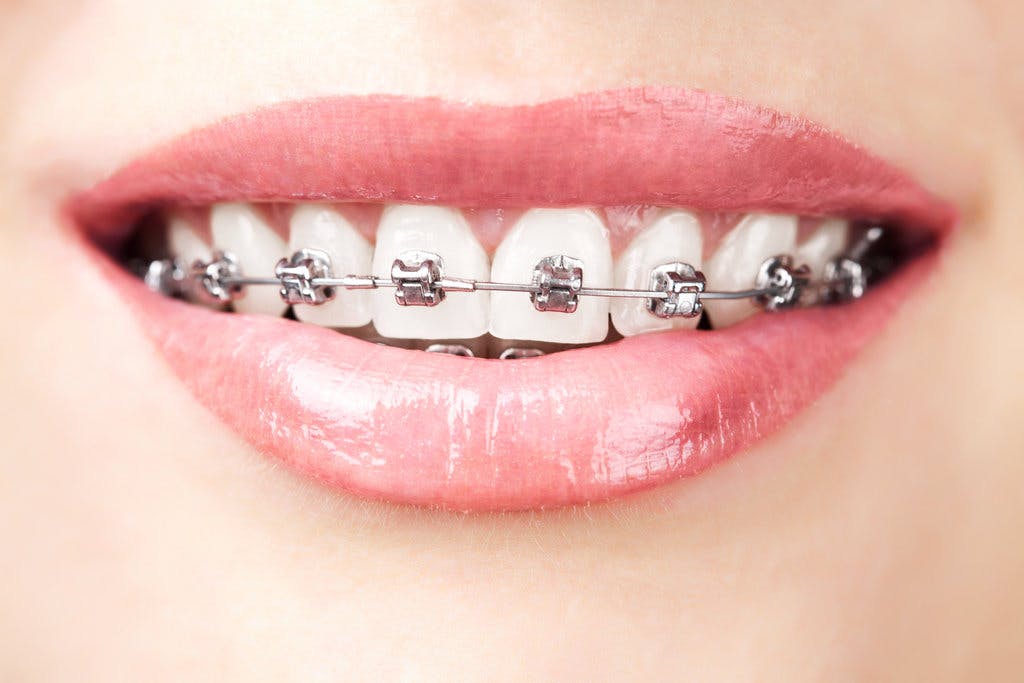
Overcrowding of Teeth
Dental overcrowding occurs when there is insufficient space in the jaw for all teeth to align correctly. This can make daily oral hygiene challenging, as tightly packed teeth are harder to clean effectively. Poor cleaning access increases the risk of plaque buildup and gum problems. Orthodontic treatment gradually creates proper spacing, allowing teeth to align in a way that supports better hygiene and gum health.
Excessive Gaps Between Teeth
Gaps between teeth may result from missing teeth, jaw growth patterns, or tooth-size discrepancies. These spaces can trap food particles and contribute to gum irritation. In some cases, gaps can also affect speech clarity. Braces are used to close unnecessary spacing, improving bite efficiency and reducing the risk of periodontal concerns.
Bite-Related Issues
Several bite problems require orthodontic correction for medical reasons rather than cosmetic ones. These include:
Overbite: Upper teeth excessively overlap lower teeth
Underbite: Lower teeth extend beyond upper teeth
Crossbite: Some upper teeth sit inside lower teeth
Open bite: Upper and lower teeth do not meet when the mouth closes
These conditions can cause jaw discomfort, uneven tooth wear, and chewing difficulties. Braces help reposition teeth to create a more functional bite.
Jaw Alignment and Growth Problems
Jaw alignment issues may develop due to genetics, childhood habits, or uneven jaw growth. When the jaws are not properly aligned, it can lead to chronic discomfort, difficulty chewing, and excessive pressure on certain teeth. Orthodontic appliances help guide jaw positioning during growth phases or compensate for alignment irregularities in adults.
Speech and Pronunciation Difficulties
Teeth play a key role in speech formation. Misaligned teeth or bite problems can interfere with proper pronunciation of certain sounds. While braces are not speech devices, correcting tooth positioning often helps improve clarity by allowing the tongue and lips to move more naturally during speech.
Increased Risk of Tooth Damage
Protruding or improperly positioned teeth are more vulnerable to accidental damage. Teeth that stick out may chip or fracture more easily during daily activities. Orthodontic treatment reduces this risk by bringing teeth into safer, more protected positions within the dental arch.
Gum and Bone Health Concerns
Improperly aligned teeth can place uneven pressure on the gums and supporting bone. Over time, this may contribute to gum recession or bone loss in specific areas. Braces help distribute biting forces evenly, supporting healthier gums and maintaining the integrity of the jawbone.
Long-Term Oral Function Improvement
Orthodontic treatment is often recommended to prevent future dental complications. Correcting alignment early can reduce the likelihood of excessive tooth wear, jaw discomfort, and functional limitations later in life. This proactive approach supports lasting oral stability and comfort.
Conclusion
Braces are commonly associated with aesthetic improvement, but their medical importance is often underestimated. Addressing alignment, bite issues, and jaw function helps protect oral health and supports daily activities such as eating and speaking. For residents seeking orthodontic solutions, understanding the medical reasons behind braces encourages informed decisions that prioritize long-term dental well-being.