


Understanding how Ultherapy is integrated into a treatment protocol is essential for patients seeking non-surgical skin lifting and tightening with predictable, natural-looking outcomes. In aesthetic practices focused on advanced skin rejuvenation, Ultherapy in Dubai has become a strategic component of comprehensive treatment planning rather than a standalone procedure. At leading aesthetic destinations such as Dynamic Life Clinic, Ultherapy is positioned as part of a structured, patient-centric approach designed to support long-term skin health and firmness.
Initial Skin Assessment and Treatment Planning
The integration process begins with a detailed skin assessment to determine suitability and treatment priorities. Ultherapy is ultrasound-based, so understanding skin thickness, laxity patterns, and facial anatomy is essential before placement within a protocol. This stage focuses on identifying areas where collagen stimulation will deliver the most visible improvement, such as the jawline, lower face, neck, or brow area.
Key evaluation factors include:
Degree of skin laxity
Facial proportions and symmetry
Existing skin quality and elasticity
Patient expectations and lifestyle considerations
This assessment ensures Ultherapy complements the overall rejuvenation strategy rather than overlapping unnecessarily with other procedures.
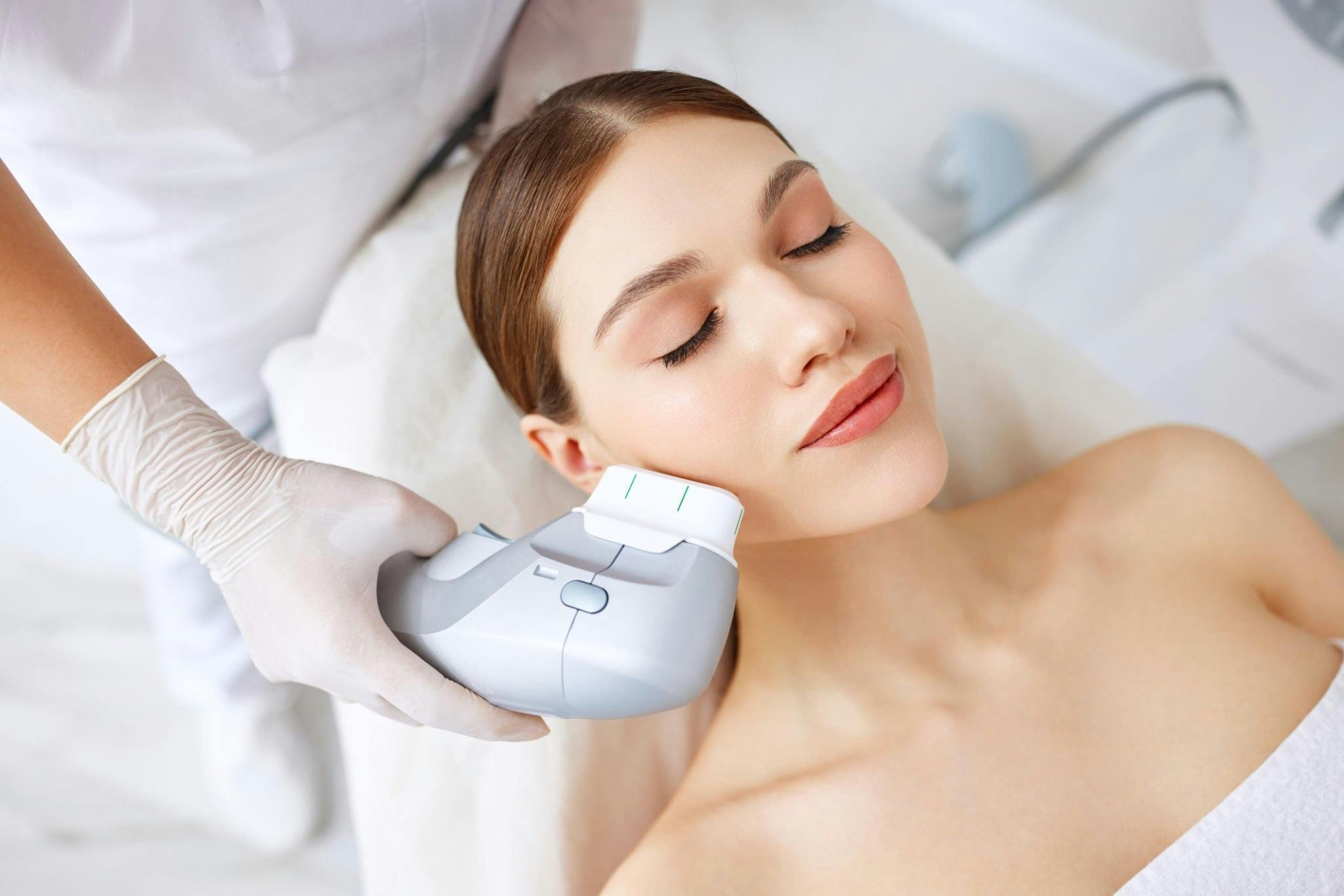
Sequencing Ultherapy Within a Multi-Treatment Plan
Ultherapy is often scheduled at a specific point within a broader protocol to maximize its collagen-building benefits. Because it works at deeper foundational layers, it is typically performed before surface-level or texture-focused treatments. This sequencing allows ultrasound energy to stimulate collagen regeneration without interference from prior skin disruptions.
Common sequencing considerations:
Performed before superficial skin-enhancing procedures
Timed to allow collagen remodeling to progress naturally
Integrated into long-term skin maintenance plans
This structured placement helps ensure results develop gradually and harmoniously.
Customizing Treatment Depths and Target Areas
One of the defining features of Ultherapy integration is its adaptability. The technology allows practitioners to select precise depths for energy delivery, making it suitable for addressing different anatomical layers within a single session. When incorporated into a protocol, this customization aligns Ultherapy with the patient’s specific aging patterns.
Treatment customization may focus on:
Lifting structural support zones
Tightening areas prone to sagging
Enhancing definition along facial contours
This tailored approach supports consistent outcomes while maintaining a natural appearance.
Combining Ultherapy With Other Non-Invasive Modalities
Ultherapy is frequently paired with complementary non-invasive treatments that address surface texture, tone, or hydration. While Ultherapy works beneath the skin, other modalities may target the outer layers, creating a balanced rejuvenation plan. Integration ensures each treatment plays a distinct role without redundancy.
Benefits of combination planning include:
Comprehensive skin improvement across multiple layers
Reduced reliance on aggressive interventions
Gradual, sustainable aesthetic enhancement
This layered strategy aligns well with patient preferences for subtle yet noticeable improvement.
Treatment Timing and Recovery Considerations
Ultherapy is integrated into protocols with minimal disruption to daily routines, making it suitable for patients with active lifestyles. Its non-invasive nature allows it to be scheduled strategically around social or professional commitments. Proper timing within the protocol ensures that collagen stimulation continues uninterrupted while other treatments are spaced appropriately.
Timing factors include:
Allowing adequate intervals between sessions
Supporting natural collagen regeneration cycles
Maintaining consistent follow-up schedules
This planning approach supports predictable progression without unnecessary downtime.
Monitoring Progress and Long-Term Integration
Ultherapy is not viewed as a one-time intervention but as part of an evolving skin care journey. Integration into a protocol includes monitoring progress over time and adjusting complementary treatments as the skin responds. This long-term perspective supports sustained firmness and structural support as aging continues.
Ongoing protocol management may involve:
Periodic skin evaluations
Adjustments to maintenance treatments
Reinforcement of collagen-supporting strategies
This adaptive framework ensures Ultherapy remains effective as skin needs change.
Conclusion
Integrating Ultherapy into a treatment protocol involves strategic planning, precise customization, and thoughtful sequencing to support natural collagen regeneration. When positioned correctly, Ultherapy in Dubai serves as a foundational component of modern aesthetic protocols, contributing to long-term skin firmness, balance, and structural integrity while aligning with patient goals for non-surgical rejuvenation.