


How is radiation therapy used in keloid treatment is a question many individuals ask when dealing with persistent or recurring scar growths, especially when standard approaches have not delivered lasting results. Keloid Treatment in Dubai often involves advanced dermatological and aesthetic solutions, and in some cases, radiation therapy is considered as part of a comprehensive care plan. At Dynamic Life Clinic, this method is discussed within an educational and patient-focused context to help individuals understand when and why it may be recommended.
Understanding Keloids and Their Growth Behavior
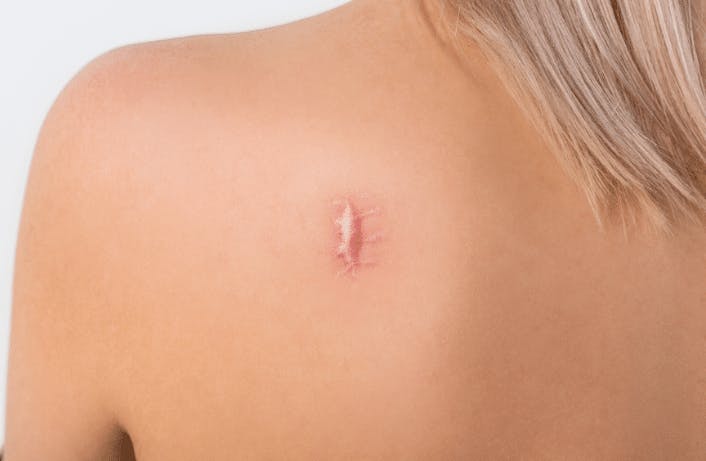
Keloids develop when the skin’s healing process becomes overactive, leading to excessive collagen production beyond the boundaries of the original wound. Unlike regular scars, keloids may continue to grow over time and can cause discomfort, itching, or cosmetic concerns. Their tendency to recur after removal is one of the main reasons additional supportive therapies, such as radiation, are explored in specific cases.
The Role of Radiation Therapy in Keloid Management
Radiation therapy in keloid treatment is not used as a standalone solution. It is typically applied as an adjunct approach following the physical removal or reduction of the keloid. The primary purpose of radiation is to target the cells responsible for excessive collagen formation, reducing their activity and lowering the chance of regrowth.
This method focuses on controlled, localized exposure rather than widespread treatment, ensuring that only the affected area is addressed. The approach is carefully planned to align with safety protocols and long-term skin health considerations.
When Radiation Therapy Is Considered
Radiation therapy may be discussed in the following scenarios:
Recurrent keloids that return after multiple treatments
Large or aggressive keloids with a history of rapid regrowth
Keloids located in areas prone to tension or movement
Cases where scar tissue significantly impacts quality of life
In Dubai, treatment decisions are often influenced by lifestyle factors, skin type, and environmental exposure, making individualized assessment essential.
How Radiation Therapy Works on Scar Tissue
Radiation therapy works by interfering with the fibroblast cells that produce collagen. By limiting their ability to multiply, the therapy helps prevent the formation of thick, raised scar tissue. The timing of radiation is a critical factor, as it is most effective when administered soon after the keloid has been surgically addressed.
Key biological effects include:
Reduction in collagen overproduction
Control of inflammatory responses
Stabilization of the healing process
These effects contribute to flatter, softer scar outcomes over time.
Safety Considerations and Modern Techniques
Advancements in medical technology have made radiation therapy more precise and controlled than in the past. Modern techniques focus on minimal exposure while maintaining effectiveness. Treatment planning emphasizes skin preservation and long-term safety, especially for individuals with sensitive or darker skin tones common in the region.
Strict protocols are followed to ensure that surrounding healthy tissue is not affected, aligning with international safety standards and best practices.
Integration With Comprehensive Keloid Care
Radiation therapy is most effective when integrated into a broader keloid management strategy. This may include monitoring skin healing, maintaining proper wound care, and avoiding factors that can trigger excessive scarring. For individuals seeking keloid treatment in Dubai, education and follow-up play an important role in achieving stable, long-term results.
Conclusion
Radiation therapy serves as a supportive option in keloid treatment by addressing the biological mechanisms behind scar regrowth. When used appropriately and as part of a well-structured treatment plan, it can help reduce recurrence and improve scar outcomes. Understanding how and why radiation therapy is used allows individuals to make informed decisions and engage confidently in their keloid care journey.